
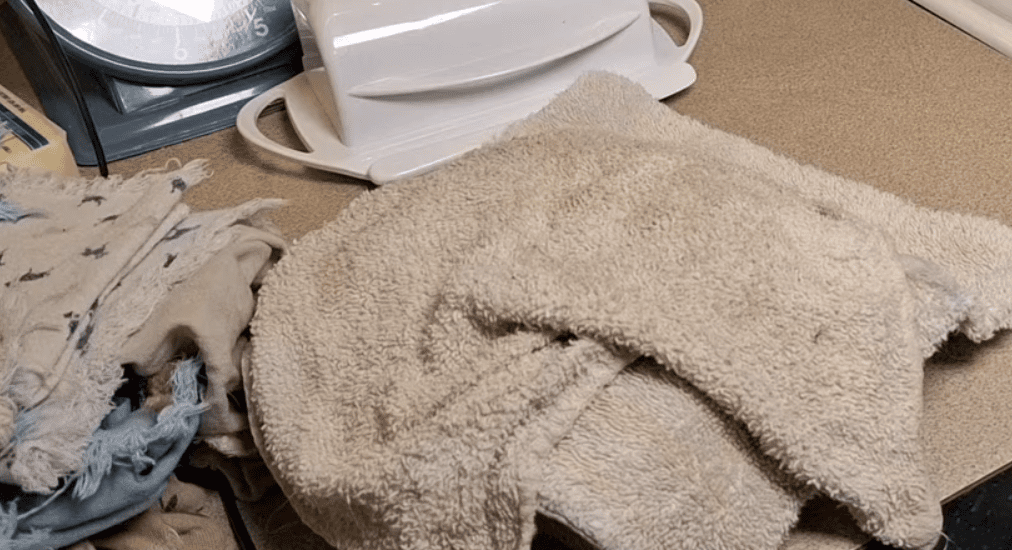
After more than four years of cleaning spills, wiping counters, dusting furniture, and replacing countless paper towels and tissues, my collection of white cotton rags was looking a little tired.
Even though they had already been washed and dried, they still seemed dingy and not quite as fresh as I’d like.
Then I remembered an old-fashioned cleaning method that my grandmother’s generation used. It was simple, inexpensive, and used ingredients most of us already have in our kitchens.
So I decided to give it a try.
The Old-Fashioned Rag Boiling Method
This method uses only:
- Water
- Baking soda
- Heat
- A little patience
The idea is to deep clean fabric by boiling it in a baking soda solution, helping to loosen dirt, oils, and lingering odors that may survive a normal wash cycle.
What You’ll Need
- Large stock pot
- Water
- Baking soda
- Dish rags, cleaning cloths, or reusable cloth tissues
- Washing machine
- Clothesline or drying rack
How I Did It
I filled a large pot about halfway with water and brought it to a boil.
Since I had roughly a gallon of water in the pot, I added about ½ cup of baking soda.
A quick note: baking soda can cause the water to foam, so add it carefully.
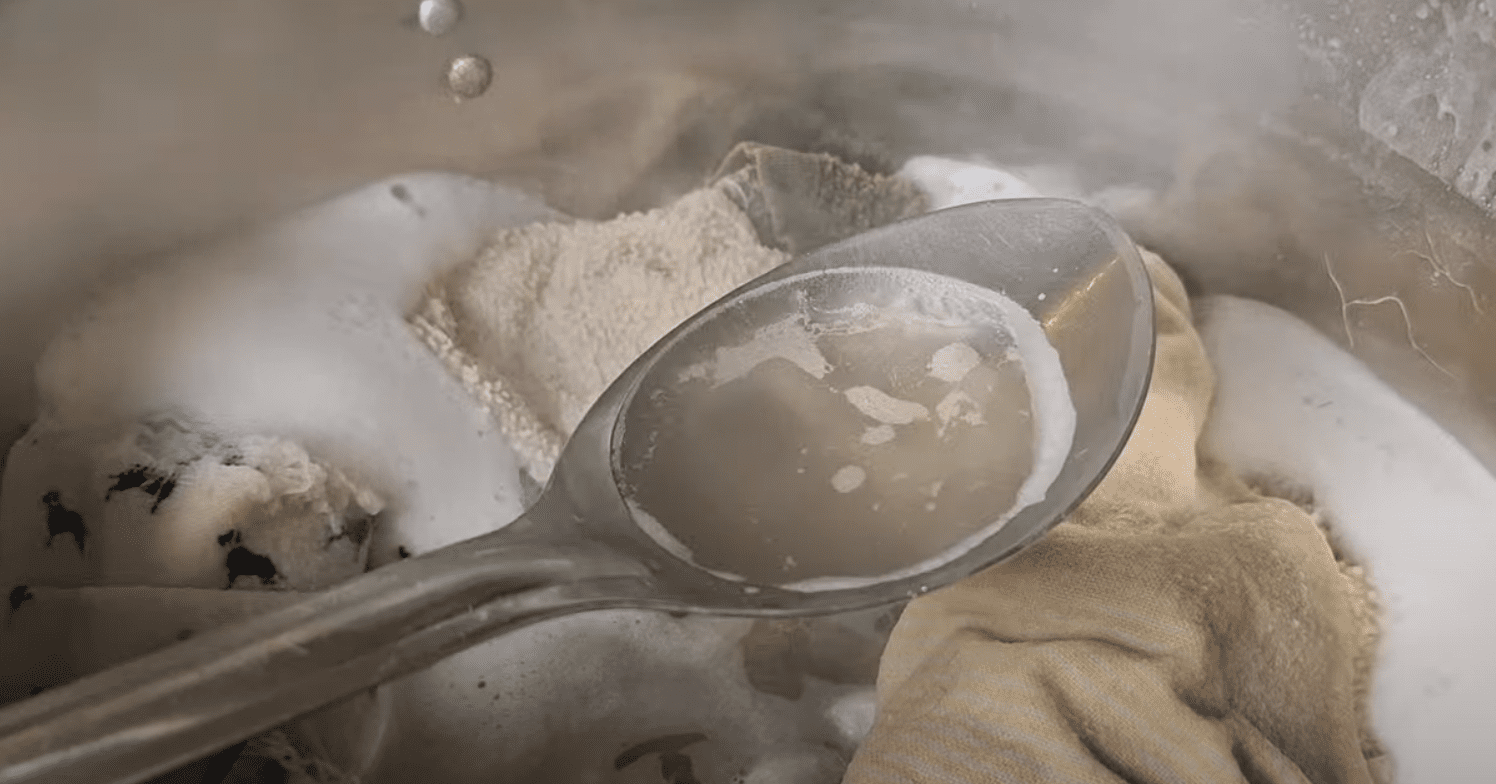
Once the water was ready, I added my rags and pushed them down until they were fully submerged.
Looking back, I probably overloaded the pot. If you’re trying this yourself, working in smaller batches would likely be easier.
I boiled the rags for about 15 minutes.
And almost immediately, I noticed the water beginning to change color.
The Results Were Surprising
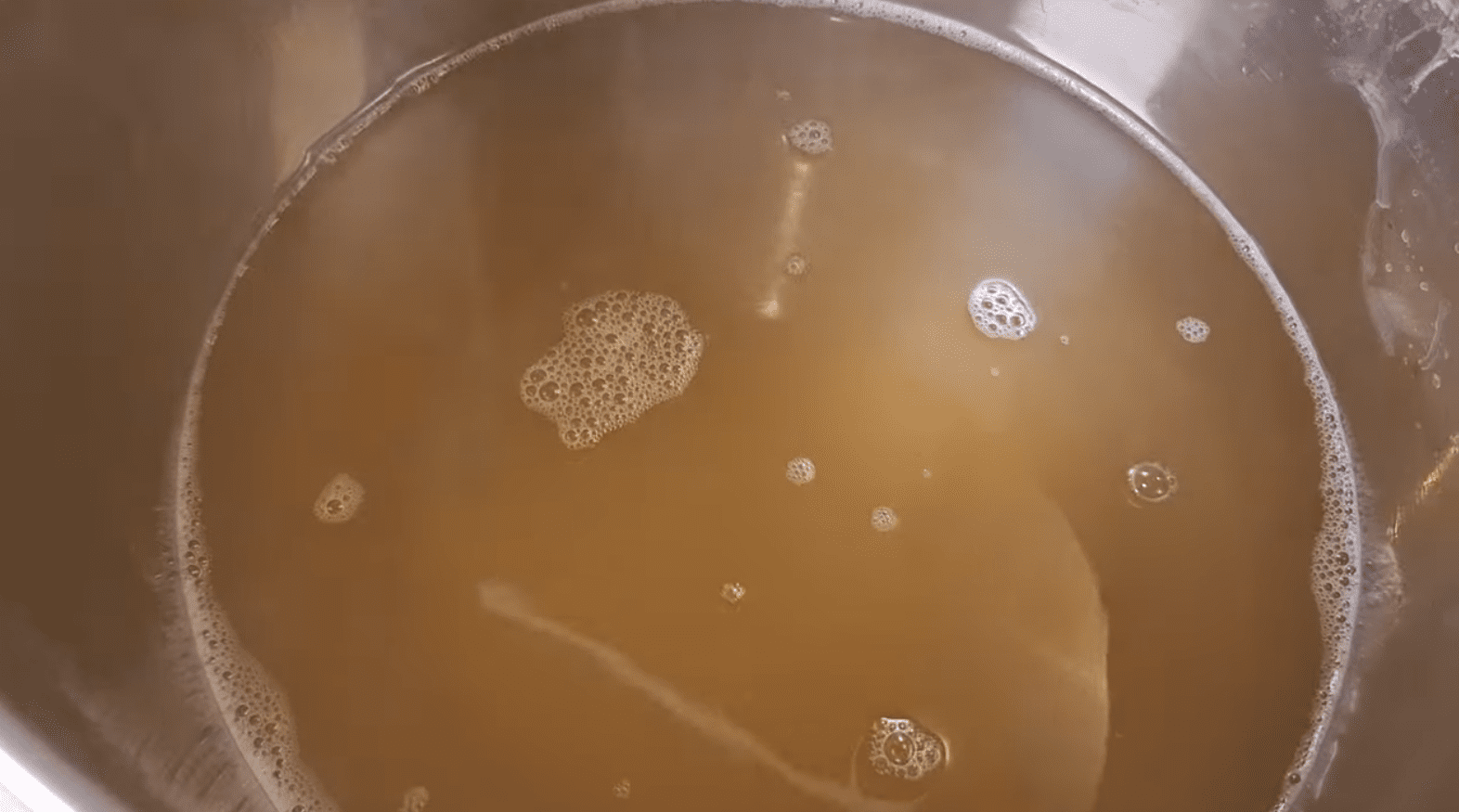
After fifteen minutes, the water was noticeably brown.
Keep in mind, these rags had already been washed and dried before I started.
Seeing that color in the water made me realize this old method was removing something that my regular wash cycle had left behind.
Because the water looked so dirty, I decided to do a second round.
I emptied the pot, started with fresh water and another ½ cup of baking soda, and repeated the process.
Even after the second boiling session, the water still looked surprisingly dirty.
The Final Wash
After boiling, I ran the rags through my regular washing machine cycle.
Then I did something my grandmother always did:
I hung them outside on the clothesline to dry in the sunshine.
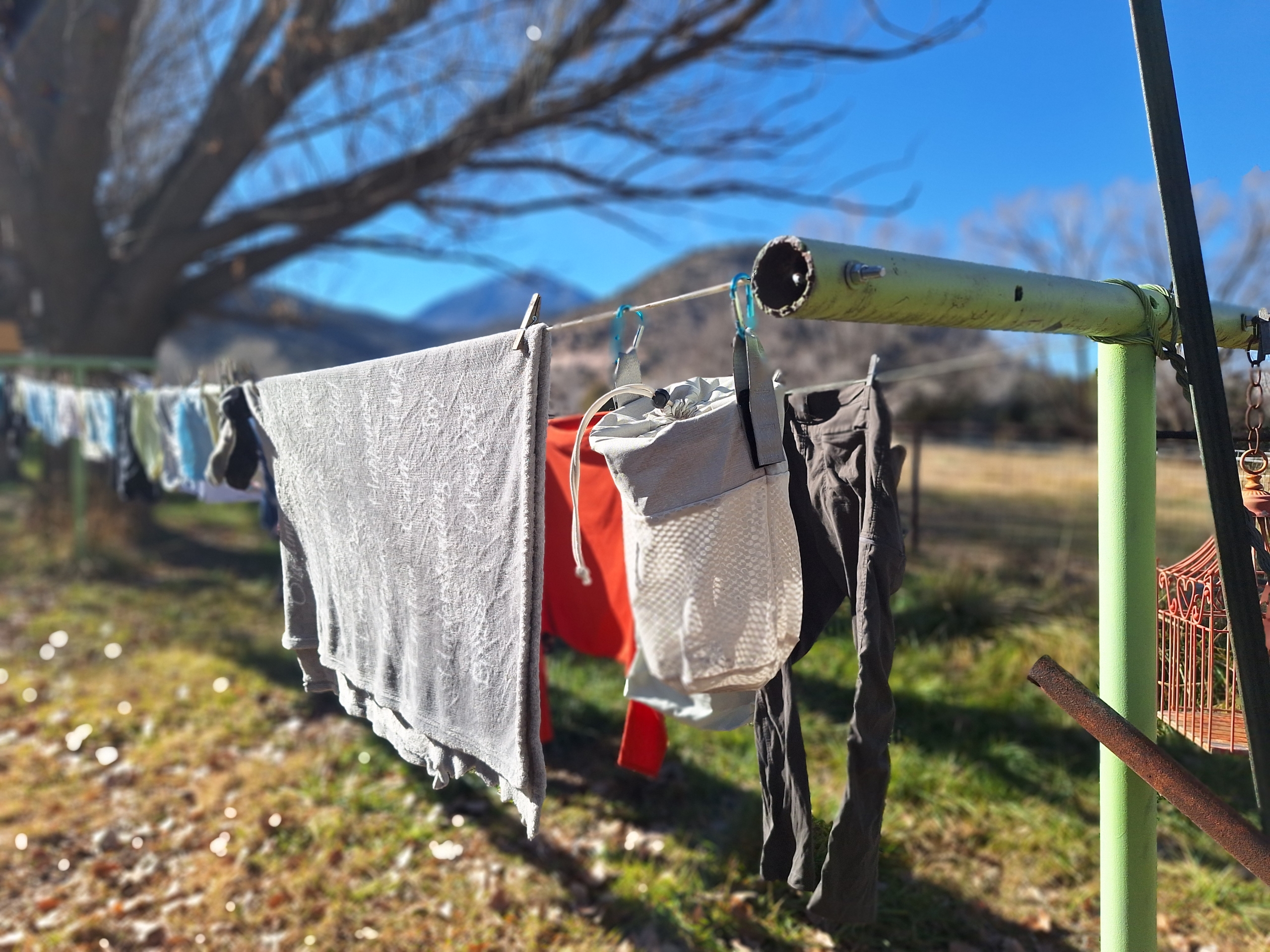
Sunlight does more than simply dry fabric.
Ultraviolet (UV) rays have natural antimicrobial properties that can help reduce bacteria and odor-causing microorganisms. Sunlight also has a mild bleaching effect, which can help brighten white fabrics over time.
A Bonus Tip from Grandma
Whenever you’re washing bedding and pillowcases, consider placing your pillows outside in bright sunlight for a few hours.
Fresh air and sunshine can help them feel and smell fresher.
It’s a simple habit that previous generations relied on long before specialty cleaning products became common.
The Finished Results
The boiled rags weren’t magically restored to brand-new condition.
After four years of daily use, some stains are probably permanent.
But the difference was still noticeable.
The odors were gone.
The fabric felt cleaner.
And the rags simply seemed fresher overall.
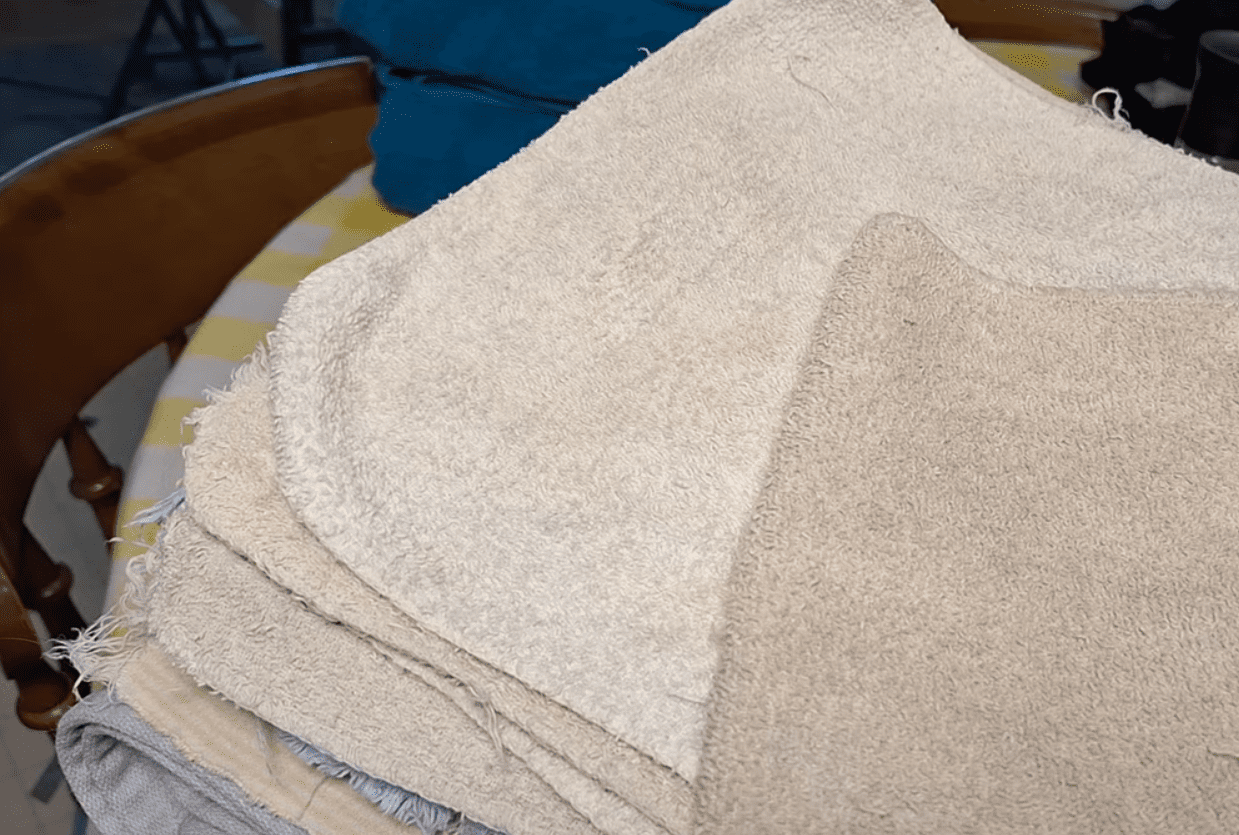
That’s really what impressed me most.
This wasn’t about making something look perfect.
It was about extending the life of something I already own.
Sometimes the Old Ways Still Have Value
One thing I love about revisiting older household skills is that they often remind us to slow down and make the most of what we have.
My grandmother’s generation didn’t throw things away just because they looked worn.
They cleaned them, repaired them, and found ways to make them last.
Sometimes those old methods still have something to teach us.
This simple rag-boiling experiment reminded me that taking care of what we already have is often just as valuable as buying something new.
And that’s a lesson worth remembering.
Frequently Asked Questions
What does baking soda do when boiling rags?
Baking soda helps break down oils, residues, and odors that may remain trapped in fabric after normal washing.
Can I use this method on colored cloths or microfiber?
I would test a small item first. Hot water can sometimes affect certain dyes and fabrics. Most synthetic fabrics cannot handle the high temperatures and may actually melt.
How long should I boil the rags?
About 15 minutes worked well for me, though heavily soiled items may benefit from a second round.
Why wash them again afterward?
The boiling process helps loosen dirt and residues. Running them through the washing machine afterward helps rinse everything away.
Did this remove all the stains?
No. Some stains remained after four years of use. However, the rags smelled fresher and felt cleaner.
Is line drying really better?
Sunlight can help reduce odors and naturally brighten white fabrics. Plus, line drying is free and gives laundry that fresh outdoor smell many of us remember.
Related Posts
- Homemade Vanilla Extract
- Pappy’s Homemade Cornstarch Pudding
- Before Red Velvet: Mahogany Cake & Ermine Frosting
- How My Grandmother Cleaned Wooden Spoons


Leave A Reply